-
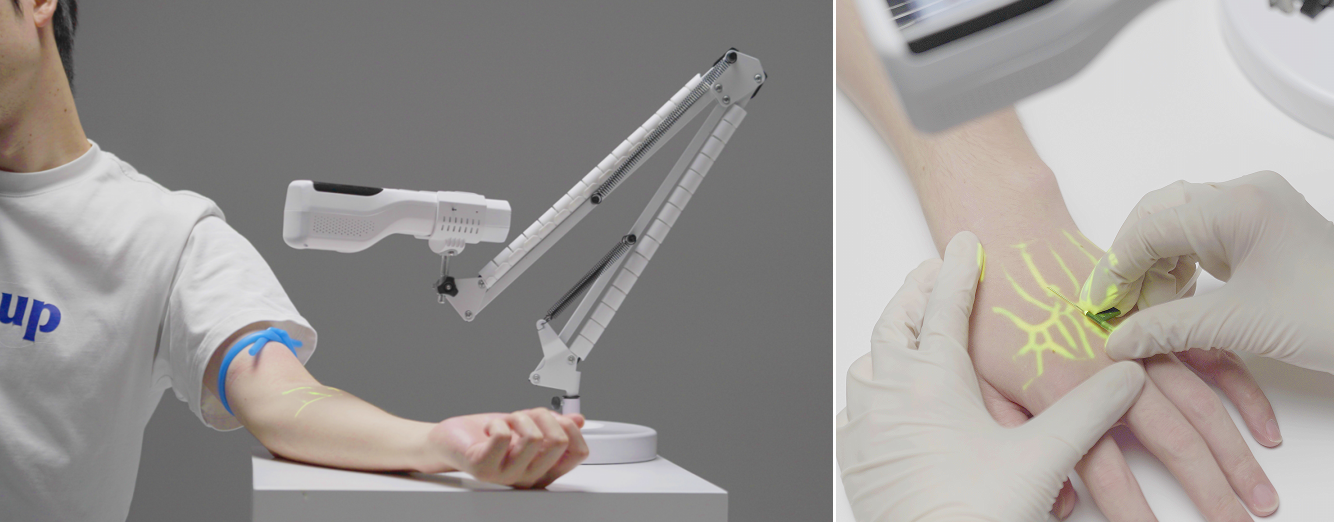
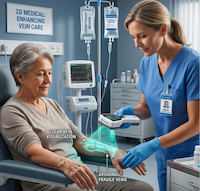
How can we avoid patients' tension when using a vein finder device?
Nov 21 , 2025
1) Communication Script: Transforming "Unknown" into "Knowable" The patient's tension mainly stems from the fear of unknown equipment and processes. Your words are the first line of defense against fear. 1. Popularize the introduction of the equipment (avoid using medical terms) : Don't say: "We are now using an ultrasound venous imager to find your blood vessels." It can be said: "Let's use this'...
Read More
-
How can vein finder complement the workflow of ophthalmic medicine and imaging equipment?
Nov 27 , 2025
1) Core Value: Provide a unique "surface vascular map" Ophthalmic imaging equipment (such as OCT) focuses on the microscopic vascular structure of the fundus (retina, choroid), while venous detectors are adept at non-invasively visualizing the vascular network on the ocular surface and around the eye, especially: The blood vessels of the sclera and conjunctiva The blood vessels of the skin around ...
Read More
-
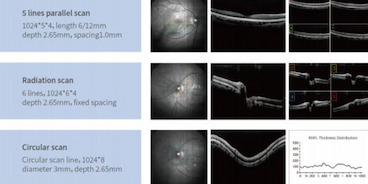
AI + OCT: How can artificial intelligence help ophthalmologists diagnose faster and more accurately?
Dec 09 , 2025
The combination of artificial intelligence (AI) and optical coherence tomography (OCT) is revolutionizing the diagnostic model of ophthalmic diseases. The core of this integration lies in combining the powerful data analysis capabilities of AI with the high-resolution biological tissue structure imaging of OCT, thereby providing doctors with insights that exceed the limits of human vision. Specifi...
Read More
-
Alleviating Needle Phobia: How does Vein Finder Technology Help Anxious Patients
Jan 14 , 2026
This is where Vein Visualization Technology (Vein Finders) is changing the game. Beyond just locating veins, these devices are becoming essential tools for psychological comfort and patient retention. 1️⃣ The Science of Fear: Why "First-Stick Success" Matters Anxiety often stems from the fear of pain and the "unknown." Patients are terrified of the nurse "fishing" for a vein. The Stat: Studies sho...
Read More
-
Early detection of diabetic retinopathy using OCT imaging
Jan 22 , 2026
1) Traditional Screening Methods and Their Limitations Traditionally, the screening and staging of DR Mainly relied on color fundus photography to observe two-dimensional surface lesions such as retinal microaneurysms, hemorrhage and exudation. However, this method has limitations: Strong subjectivity: Relying on the doctor's experience. Inability to observe deep structures: It is impossible to qu...
Read More
-
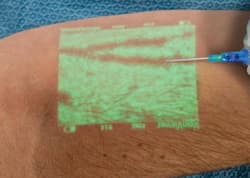
How deep can a medical vein finder see?
Jan 27 , 2026
1. Main detection depth General depth: Most devices can detect veins 0.2 to 1.0cm beneath the skin, but the actual effective imaging range is usually concentrated on the shallower veins under the skin (0.2 to 1.0 cm). Best effect: For clearly visible superficial veins (such as the back of the hand and forearm), the imaging effect is the best. 2. Key influencing factors Skin condition Skin color, f...
Read More
-
The clinical application of venous imaging equipment in oncology departments and chemotherapy wards
Apr 03 , 2026
The main value of the venous imaging device in oncology departments and chemotherapy wards lies in addressing the "difficult needle insertion" problem faced by chemotherapy patients due to repeated punctures and deteriorating vascular conditions. It not only significantly improves the success rate of the first puncture, shortens the operation time, but also reduces the pain experience of patients ...
Read More
-
Inside the ZD Medical R&D Lab: How We Ensure the Quality of Every Vein Finder
May 18 , 2026
For medical device distributors and hospital procurement teams, reliability isn't just a buzzword—it's the baseline. When a nurse reaches for a vein finder in a high-pressure emergency room, it has to work flawlessly. A single failure not only delays patient care but also damages the reputation of the distributor who supplied it. At ZD Medical, we understand that manufacturing a clinical-grade Vei...
Read More
-
How to Calibrate Ophthalmic Imaging Equipment for Consistent Clinical Results: A Comprehensive Guide by ZD Medical
Jun 15 , 2026
1. Daily Optical Alignment Using Model Eyes Optical lenses and digital sensors can suffer from micro-displacements over time, introducing blur or dark spots (artifacts) into your retinal images.The Calibration Step: Before opening your clinic doors each morning, clinicians should run a test capture using a standard "Model Eye" (supplied by the manufacturer). A model eye features simulated retinal ...
Read More





 IPv6 network supported
 English
 español
 العربية


