-
ZD Vein Finder Device
Jan 08 , 2021
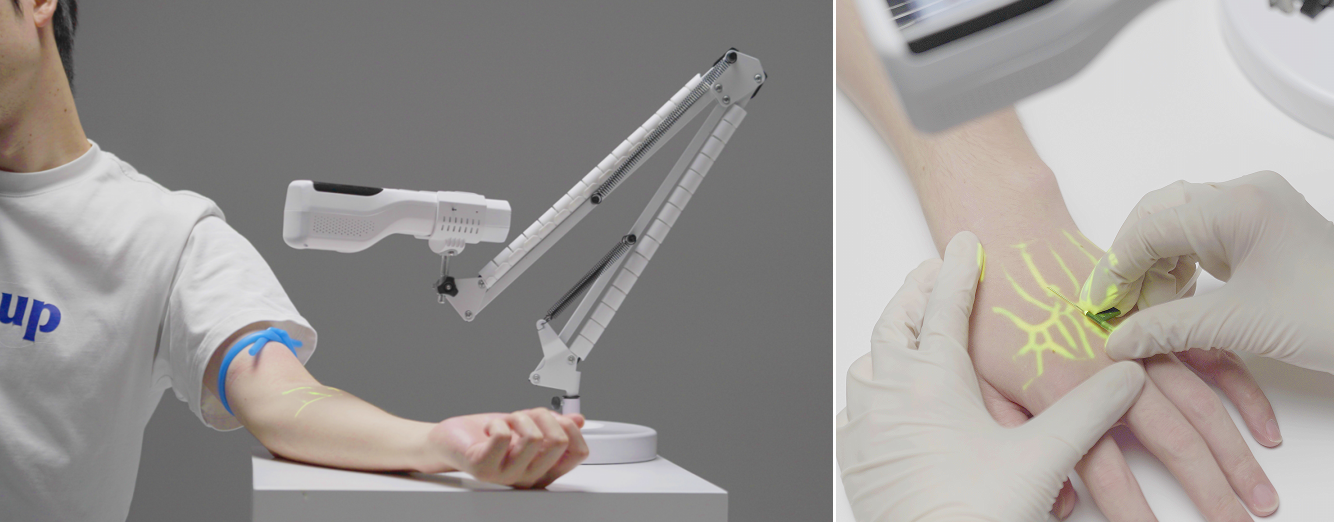
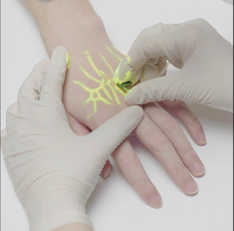
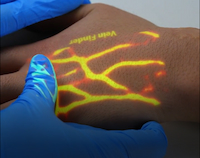
ZD Medical is the manufacturer of Vein finder since 2013, also the first batch companies to produce it in China. ZD Vein finder detects superficial veins by patented infrared light technology, displaying vivid, accurate vein map directly on skin. It helps medical staff find vein`s location and reduce needle stick attempts. The principle is that infrared light can be absorbed by blood and reflected...
Read More
-
New Generation Vein Finder System Advantages and development prospects
Feb 19 , 2025
Compared with traditional methods, the New Generation Vein Finder System has significant improvements in technology and application scenarios, and its core advantages can be summarized as follows: First, technical advantages 1. High precision imaging - Using near-infrared or multi-spectral imaging technology combined with AI algorithm to enhance image resolution, it can clearly display the directi...
Read More
-
Who is the vein finder for?
Feb 27 , 2025
Vein finder such as infrared vein imaging device, ultrasonic vein positioning device, etc.) is an auxiliary medical tool, mainly used to help medical personnel quickly and accurately locate veins, especially for people with difficulty in venipentesis. The following are its main applicable groups and related scenarios: 1. High-risk groups with difficulty in venipuncture 1. Infants and children - Th...
Read More
-
How to make your veins show quickly for an injection?
Apr 08 , 2025
To make veins show quickly for an injection, consider the following safe and effective methods, along with important precautions: 1. Hydration - Action: Drink 1-2 glasses of water 30-60 minutes beforehand. Hydration increases blood volume, making veins more prominent. - Note: Avoid excessive water intake, which can dilute electrolytes. 2. Apply Warmth - Action: Place a warm compr...
Read More
-
Latest Research and Trends in Vein Finder Technology
Jul 03 , 2025
Vein finder, as an important auxiliary tool in the modern medical field, has made remarkable progress in both technology and application in recent years. This article will delve deeply into the latest technological developments, market dynamics, clinical application trends, and future innovation directions of vein finder devices. From near-infrared imaging to artificial intelligence algorithms, fr...
Read More
-
Clinical Applications of Vein Finder
Jul 03 , 2025
1.Venipuncture assistance Conventional venous puncture、Increase the success rate of puncture The success rate of traditional puncture (relying on palpation and visual inspection) is approximately 60-75%, while it can be increased to 85-95% after using a vein finder, especially for patients with higher difficulty levels (such as children, the elderly, and obese individuals), the effect is particula...
Read More
-
Tips for Vein Finder to successfully draw blood
Aug 12 , 2025
1. Equipment selection and calibration (1) Select the appropriate Vein Finder type Infrared type (such as ZD Medical Vein Finder Systemr) : Suitable for superficial veins (back of the hand, forearm, leg and so on). Portable (such as wireless handheld type) : Suitable for emergency or mobile blood collection. (2) Equipment calibration and environmental adjustment Adjust the brightness/contrast: Ens...
Read More
-
What opportunities does vein finder have in emerging markets?
Aug 19 , 2025
1. Regional Market Opportunities: Developing Countries and Primary Healthcare Widespread availability of primary healthcare facilities Pain points: Community hospitals and clinics in developing countries (such as India, Southeast Asia, and Africa) lack skilled nurses, resulting in high rates of failed intravenous punctures finder. Opportunity: Promote low-cost portable devices (e.g., domestically ...
Read More
-
What is the relationship between the New Vein Finder and pediatric emergency care?
Sep 10 , 2025
Core Connection: Addressing the Most Challenging Clinical Scenarios in Pediatric Emergency Care Pediatric emergency settings represent one of the most valuable applications for venous imaging devices. This connection is primarily manifested in addressing the following core challenges: 1. Patient Specificity: Difficulties in Establishing Venous Access Physiological Factors: Infants and children pos...
Read More



 IPv6 network supported
 English
 español
 العربية


