-
AI + OCT: How can artificial intelligence help ophthalmologists diagnose faster and more accurately?
Dec 09 , 2025
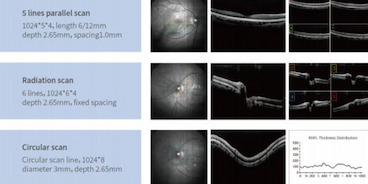
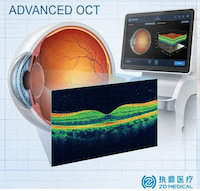
The combination of artificial intelligence (AI) and optical coherence tomography (OCT) is revolutionizing the diagnostic model of ophthalmic diseases. The core of this integration lies in combining the powerful data analysis capabilities of AI with the high-resolution biological tissue structure imaging of OCT, thereby providing doctors with insights that exceed the limits of human vision. Specifi...
Read More
-
Alleviating Needle Phobia: How does Vein Finder Technology Help Anxious Patients
Jan 14 , 2026
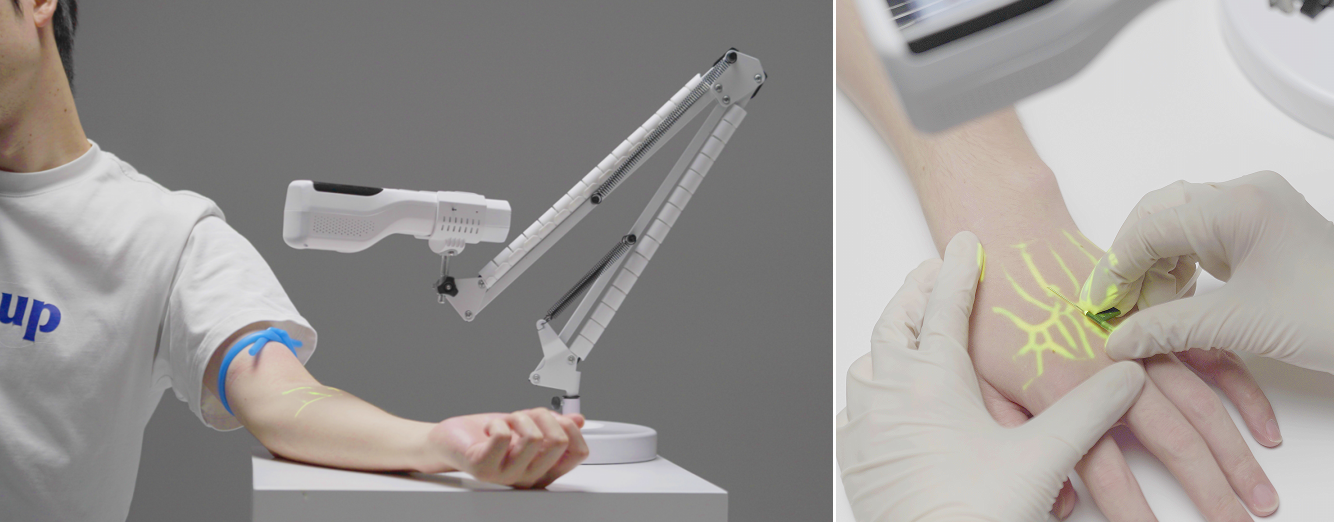
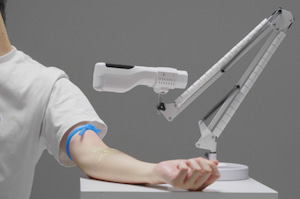
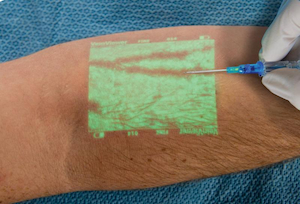
This is where Vein Visualization Technology (Vein Finders) is changing the game. Beyond just locating veins, these devices are becoming essential tools for psychological comfort and patient retention. 1️⃣ The Science of Fear: Why "First-Stick Success" Matters Anxiety often stems from the fear of pain and the "unknown." Patients are terrified of the nurse "fishing" for a vein. The Stat: Studies sho...
Read More
-
Early detection of diabetic retinopathy using OCT imaging
Jan 22 , 2026
1) Traditional Screening Methods and Their Limitations Traditionally, the screening and staging of DR Mainly relied on color fundus photography to observe two-dimensional surface lesions such as retinal microaneurysms, hemorrhage and exudation. However, this method has limitations: Strong subjectivity: Relying on the doctor's experience. Inability to observe deep structures: It is impossible to qu...
Read More
-
What are the advantages of the vascular imaging instrument of ZD Medical?
Apr 25 , 2026
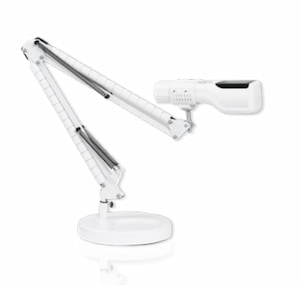
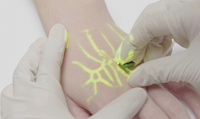
Clinical and Technological Core Advantages (Hard Power) Near-infrared patented technology and high-definition in-situ projection: By leveraging the physical property that hemoglobin in the blood absorbs near-infrared light at a rate higher than that of surrounding tissues, the equipment can accurately capture vein images and project them in real time and at the original scale onto the patient's sk...
Read More
-
Can one drive after having the OCT eye examination?
May 06 , 2026
1. If it is a "non-mydriatic" examination (without dilating the pupils) - one can drive directly Many of the current high-end OCT devices (especially in routine screenings) have the feature of non-mydriatic examination. If the patient did not receive any eye drops to dilate the pupils before the examination, but simply looked at the cursor of the instrument for a while: Visual status: After the ex...
Read More
-
Will the Vein Finder imaging be affected by ambient light?
May 06 , 2026
Yes, strong ambient light like surgical lights or bright sunlight can wash out the projection of basic vein finders. However, our device is designed for complex clinical environments. It features adjustable high-lumen projection and an Inverse Display Mode. This ensures that even in brightly lit ERs or operating rooms, the vein network remains sharply contrasted and clearly visible, preventing any...
Read More
-
Inside the ZD Medical R&D Lab: How We Ensure the Quality of Every Vein Finder
May 18 , 2026
For medical device distributors and hospital procurement teams, reliability isn't just a buzzword—it's the baseline. When a nurse reaches for a vein finder in a high-pressure emergency room, it has to work flawlessly. A single failure not only delays patient care but also damages the reputation of the distributor who supplied it. At ZD Medical, we understand that manufacturing a clinical-grade Vei...
Read More
-
Overcoming Venipuncture Challenges: Choosing the Right Vein Finder for Dark Skin Tones
May 29 , 2026
Venipuncture is one of the most common invasive medical procedures, yet it remains a significant challenge when dealing with specific patient demographics. For patients with dark skin tones, locating a suitable vein using traditional visual and tactile methods can be particularly difficult. This often leads to multiple needle sticks, increased patient discomfort, and delayed treatments. To bridge ...
Read More
-
How ZD Medical High-Resolution OCT Platforms Are Revolutionizing Early Ophthalmic Diagnostics
Jul 20 , 2026
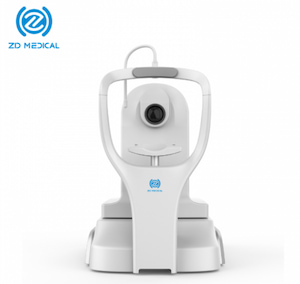
In modern ophthalmology, early detection is the ultimate cornerstone of preventing irreversible vision loss. As conditions like age-related macular degeneration (AMD), diabetic retinopathy, and glaucoma continue to rise globally, clinics require diagnostic imaging that balances microscopic precision with patient comfort. This is where Optical Coherence Tomography (OCT) stands as a non-negotiable s...
Read More


 IPv6 network supported
 English
 español
 العربية


