-
ZD Vein Finder Device
Jan 08 , 2021
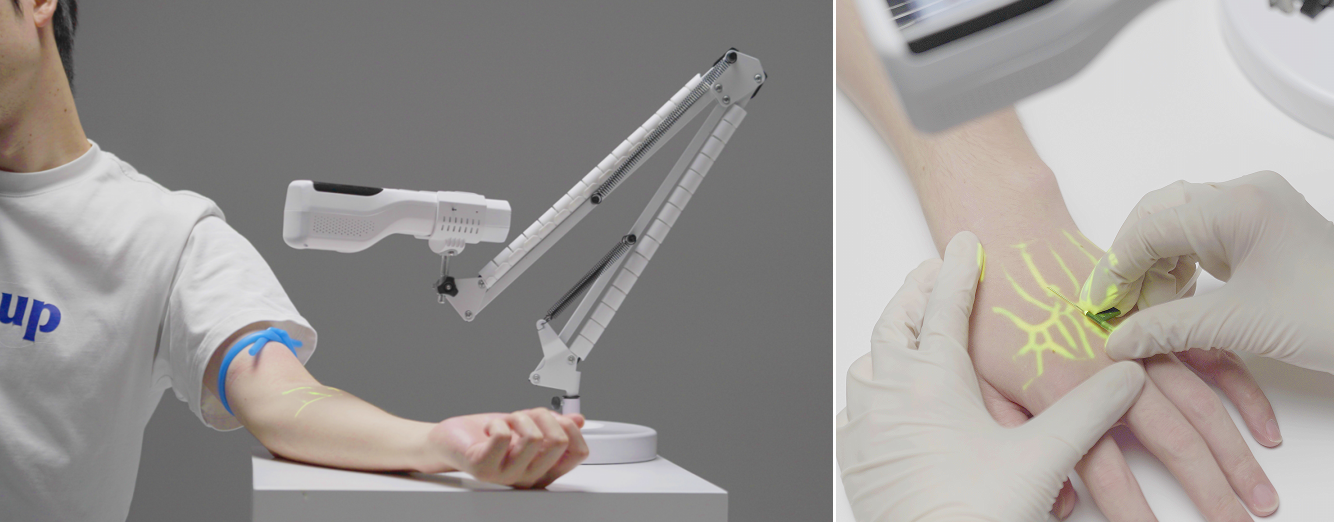
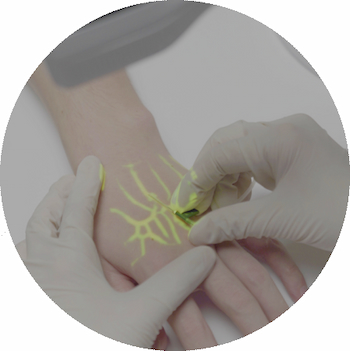
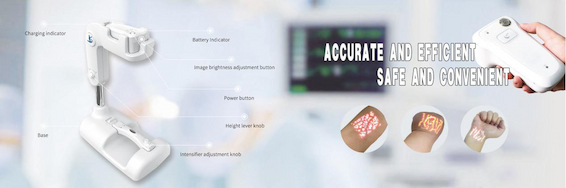
ZD Medical is the manufacturer of Vein finder since 2013, also the first batch companies to produce it in China. ZD Vein finder detects superficial veins by patented infrared light technology, displaying vivid, accurate vein map directly on skin. It helps medical staff find vein`s location and reduce needle stick attempts. The principle is that infrared light can be absorbed by blood and reflected...
Read More
-
The Role of OCT in Fundus Examination and Treatment
Sep 14 , 2022
In clinical practice, choroidal rupture caused by indirect external force is common. Blunt trauma can cause rapid deformation of the eyeball, leading to anterior and posterior compression and horizontal expansion of the eyeball. Collagen rich sclera and flexible retinal tissue rarely rupture, while bullet free RPE, Bruce membrane and choroidal capillaries are easy to rupture. The incidence of chor...
Read More
-
History of OCT in Ophthalmology
Oct 09 , 2022
In 1991, Huang et al. of the Massachusetts Institute of Technology first used the developed OCT to observe the isolated human retina and optic disc. in 1995,it was officially used in ophthalmology. The initial clinical application of OCT is OCT1, with only 10 scanning procedures and 7 analysis procedures. In 1997, the OCT2 scanning procedure was increased by 2 and the analysis procedure was ...
Read More
-
Hidden Visual Killer - Sugar Net
Jan 28 , 2023
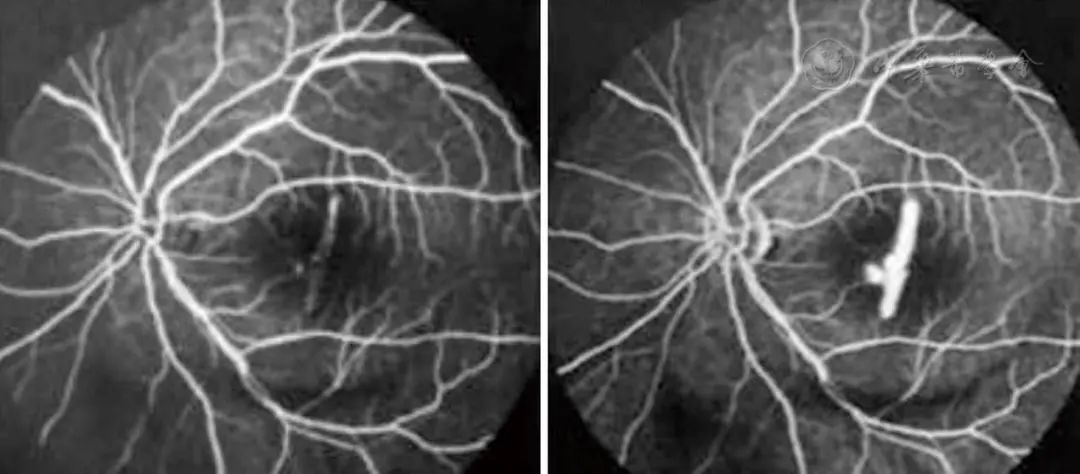
Diabetes is not diabetes caused by eating too much sugar. It occurs when the pancreas is no longer able to make insulin, or when the body cannot make good use of the insulin it produces. Sustained high blood sugar can cause serious diseases affecting the heart and blood vessels, eyes, kidneys, nerves and teeth. In addition, people with diabetes are at higher risk of developing infections. Diabetes...
Read More
-
Have you got the OCT image of the fundus, are you still worrying about how to interpret it?
Dec 20 , 2024
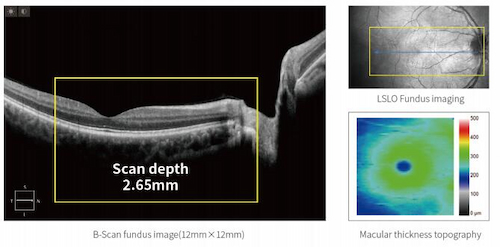
Welcome to science time! This article will discuss optical coherence tomography (OCT), an advanced technology widely used in eye examination, and introduce the basic principles and sequence of OCT image reading to help people better understand this convenient and non-invasive ophthalmic examination tool. Have you got the OCT image of the fundus, are you still worrying about how to interpret it? Lo...
Read More
-
What are the working principles and characteristics of Optical Coherence Tomography?
Jan 03 , 2025
Angio OCT (Optical Coherence Tomography) is a non-invasive imaging technique used to observe the vascular structure and blood flow dynamics of the retina and choroid at high resolution. It combines the cross-sectional imaging capabilities of optical coherence tomography (OCT) with blood flow analysis and is widely used in the field of ophthalmology. Working principle The core technology of Angio O...
Read More
-
What does optical coherence tomography test for?
Jan 11 , 2025
Optical Coherence Tomography (OCT) is a non-invasive imaging test that provides high-resolution cross-sectional images of tissues. It is widely used in ophthalmology and other medical fields to assess various conditions. Here's what it typically In Ophthalmology OCT is most commonly used to evaluate structures within the eye, particularly the retina and optic nerve, for the following c...
Read More
-
New Generation Vein Finder System Advantages and development prospects
Feb 19 , 2025
Compared with traditional methods, the New Generation Vein Finder System has significant improvements in technology and application scenarios, and its core advantages can be summarized as follows: First, technical advantages 1. High precision imaging - Using near-infrared or multi-spectral imaging technology combined with AI algorithm to enhance image resolution, it can clearly display the directi...
Read More
-
Who is the vein finder for?
Feb 27 , 2025
Vein finder such as infrared vein imaging device, ultrasonic vein positioning device, etc.) is an auxiliary medical tool, mainly used to help medical personnel quickly and accurately locate veins, especially for people with difficulty in venipentesis. The following are its main applicable groups and related scenarios: 1. High-risk groups with difficulty in venipuncture 1. Infants and children - Th...
Read More



 IPv6 network supported
 English
 español
 العربية


