-
How can vein finder complement the workflow of ophthalmic medicine and imaging equipment?
Nov 27 , 2025
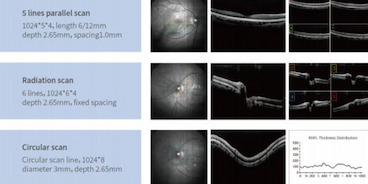
1) Core Value: Provide a unique "surface vascular map" Ophthalmic imaging equipment (such as OCT) focuses on the microscopic vascular structure of the fundus (retina, choroid), while venous detectors are adept at non-invasively visualizing the vascular network on the ocular surface and around the eye, especially: The blood vessels of the sclera and conjunctiva The blood vessels of the skin around ...
Read More
-
AI + OCT: How can artificial intelligence help ophthalmologists diagnose faster and more accurately?
Dec 09 , 2025
The combination of artificial intelligence (AI) and optical coherence tomography (OCT) is revolutionizing the diagnostic model of ophthalmic diseases. The core of this integration lies in combining the powerful data analysis capabilities of AI with the high-resolution biological tissue structure imaging of OCT, thereby providing doctors with insights that exceed the limits of human vision. Specifi...
Read More
-
Vein finder maintenance guide:Lifespan, calibration, and durability.
Dec 19 , 2025
1. Lifespan: The designed lifespan of most professional-grade vein finder is typically around five years. Battery life: The performance of internal lithium batteries typically begins to decline after 300 to 500 complete charge and discharge cycles. It is recommended to keep the battery charged to avoid long-term complete depletion. Light source lifespan: Near-infrared (NIR) lasers or LED emitters ...
Read More
-
Alleviating Needle Phobia: How does Vein Finder Technology Help Anxious Patients
Jan 14 , 2026
This is where Vein Visualization Technology (Vein Finders) is changing the game. Beyond just locating veins, these devices are becoming essential tools for psychological comfort and patient retention. 1️⃣ The Science of Fear: Why "First-Stick Success" Matters Anxiety often stems from the fear of pain and the "unknown." Patients are terrified of the nurse "fishing" for a vein. The Stat: Studies sho...
Read More
-
How can portable venous imaging devices assist in door-to-door blood collection?
Mar 11 , 2026
1-Overcome the limitations of light and hardware in the home environment Uncontrollable lighting: Hospital blood collection rooms usually have bright, shadowless professional lighting, while the light in patients' homes is often dim, warm-toned, and even small, making it difficult for nurses to clearly see the blood vessels with their naked eyes. The assistance of the imaging device: The portable ...
Read More
-
Opportunities in Emerging Markets: What are the application potentials of vein finder in primary healthcare in developing countries?
Mar 12 , 2026
1. Bridging the "technical gap" of grassroots nurses In remote areas of developing countries, there is often a severe shortage of experienced intravenous therapy nurses, and the turnover rate of primary medical staff is high. Many newly graduated or insufficiently trained novices have an extremely high failure rate in puncture when dealing with difficult blood vessels. The imaging device can direc...
Read More
-
It Literally Lets You See the Veins! — How ZD Medical Vein Finders Redefine IV Access
Apr 15 , 2026
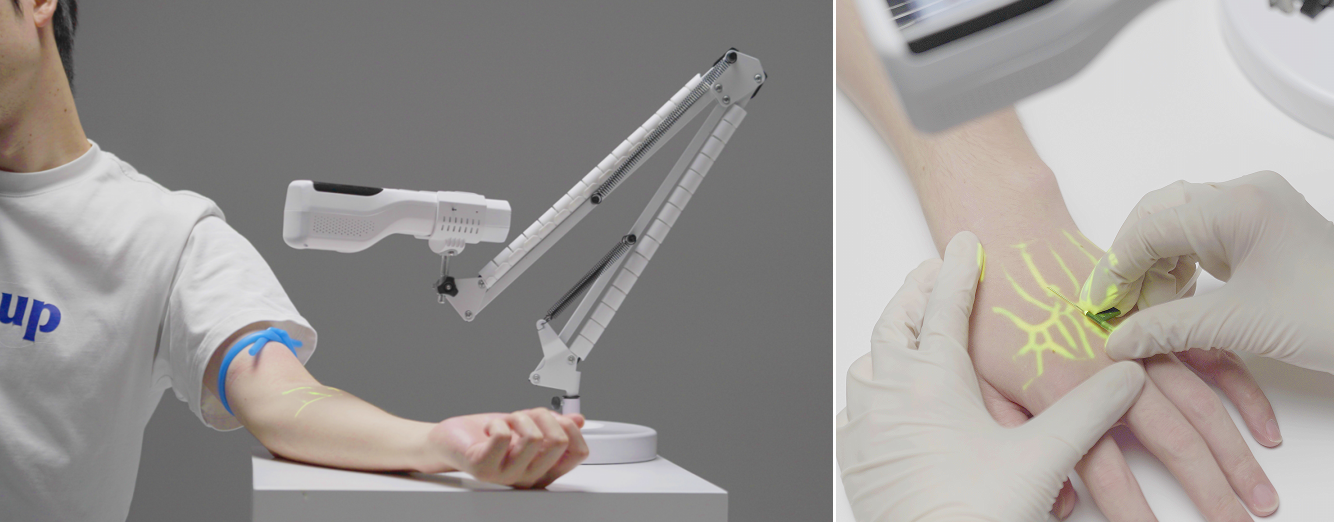
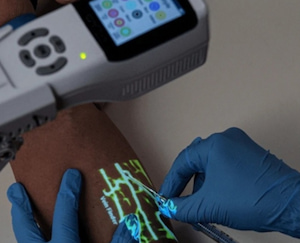
Venipuncture is the most common invasive medical procedure worldwide. Yet, for millions of patients and nurses, it remains a source of anxiety. Whether dealing with pediatric patients, the elderly, individuals with darker skin tones, or those undergoing chemotherapy, finding a viable vein often turns into a stressful guessing game. But what if you could take the guesswork out of the equation? What...
Read More
-
What are the advantages of the vascular imaging instrument of ZD Medical?
Apr 25 , 2026
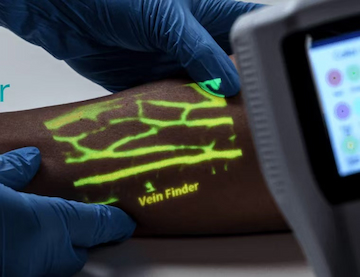
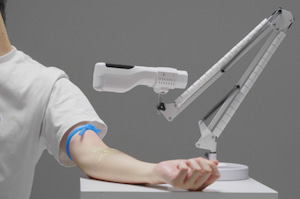
Clinical and Technological Core Advantages (Hard Power) Near-infrared patented technology and high-definition in-situ projection: By leveraging the physical property that hemoglobin in the blood absorbs near-infrared light at a rate higher than that of surrounding tissues, the equipment can accurately capture vein images and project them in real time and at the original scale onto the patient's sk...
Read More
-
Will the Vein Finder imaging be affected by ambient light?
May 06 , 2026
Yes, strong ambient light like surgical lights or bright sunlight can wash out the projection of basic vein finders. However, our device is designed for complex clinical environments. It features adjustable high-lumen projection and an Inverse Display Mode. This ensures that even in brightly lit ERs or operating rooms, the vein network remains sharply contrasted and clearly visible, preventing any...
Read More





 IPv6 network supported
 English
 español
 العربية


