-
What are the relevant foreign research and technological advancements regarding Vein Finder?
May 23 , 2025
1.The application of Doppler ultrasound technology in venous localization A research team from the Georgia Institute of Technology in the United States has developed a low-cost handheld device that uses Doppler ultrasound technology to quickly locate veins. This device distinguishes arteries from veins by emitting ultrasonic beams and analyzing blood flow reflection signals, and guides punctures i...
Read More
-
What roles does the vein finder device play in emergency scenarios?
Jul 17 , 2025
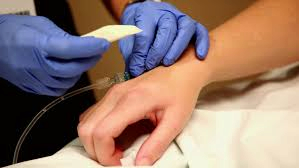
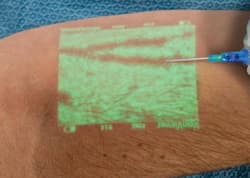
1. Rapidly establish intravenous access Question: During emergency treatment (such as massive hemorrhage, shock, or cardiac arrest), rapid intravenous infusion or medication is required. However, the patient may experience vascular collapse due to dehydration, low blood pressure, or obesity, making it difficult to locate. Function Real-time display of subcutaneous veins (such as veins on the back ...
Read More
-
What benefits does Optical Coherence Tomography bring to the healthcare industry?
Oct 24 , 2025
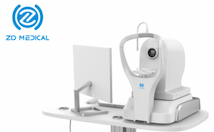
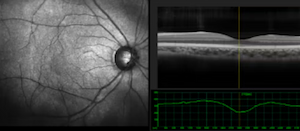
I. (Core Value: Unparalleled Diagnostic Capability High-resolution, non-invasive "optical biopsy" Traditionally, to make a clear diagnosis of many diseases, a biopsy was required, which involves taking a small piece of tissue and observing it under a microscope. This is an invasive operation. OCT provides cross-sectional images similar to biopsies, but it is completely contactless and non-invasive...
Read More
-
What are the four key points that Vein Finder must pay attention to?
Oct 31 , 2025
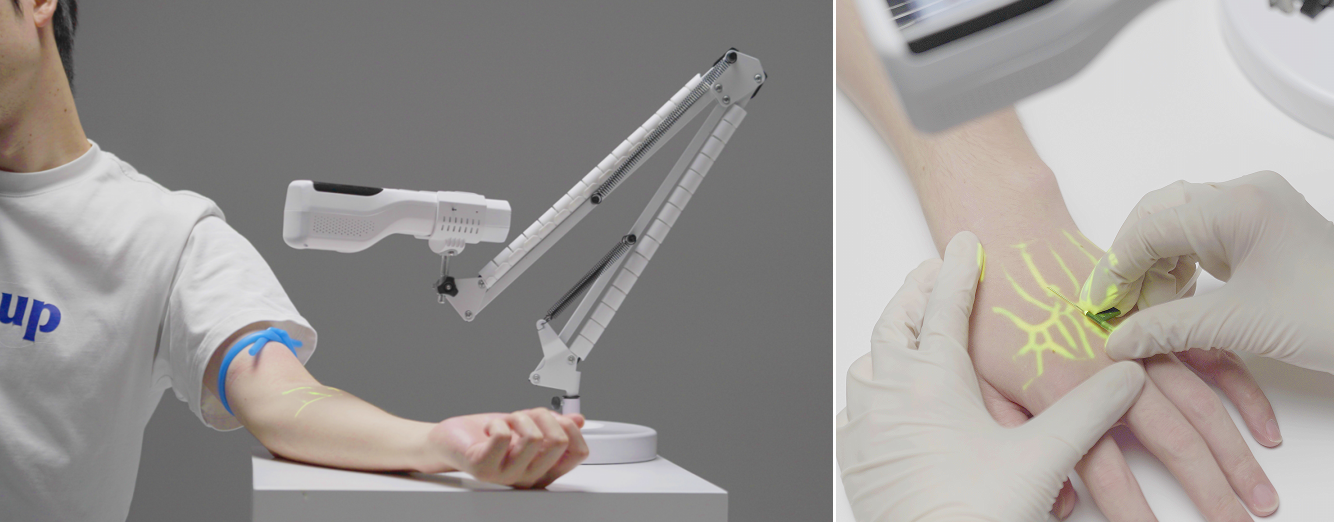
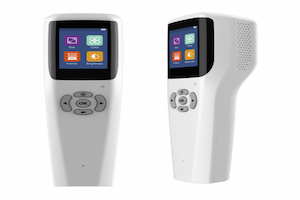
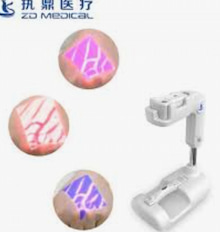
Key Point One: Imaging technology and clarity This is the core indicator, which directly determines the practical effect of the equipment. Core technologies: Currently, there are mainly two mainstream technologies, namely infrared imaging and ultrasonic imaging. Infrared light equipment is non-contact and forms images based on the differences in the absorption of near-infrared light by hemoglobin ...
Read More
-
How to evaluate clinical effectiveness before buying a vein finder?
Dec 09 , 2025
I. Evaluation of Core Technology Performance 1. Imaging quality and clarity Resolution and contrast: Whether the vein images generated by the device are clear and can clearly distinguish the veins from the surrounding tissues (such as fat and skin pigments). Penetration depth and adaptability: Whether the venous imaging effect is stable and reliable for patients of different body types (obese, thi...
Read More
-
Vein finder maintenance guide:Lifespan, calibration, and durability.
Dec 19 , 2025
1. Lifespan: The designed lifespan of most professional-grade vein finder is typically around five years. Battery life: The performance of internal lithium batteries typically begins to decline after 300 to 500 complete charge and discharge cycles. It is recommended to keep the battery charged to avoid long-term complete depletion. Light source lifespan: Near-infrared (NIR) lasers or LED emitters ...
Read More
-
Early detection of diabetic retinopathy using OCT imaging
Jan 22 , 2026
1) Traditional Screening Methods and Their Limitations Traditionally, the screening and staging of DR Mainly relied on color fundus photography to observe two-dimensional surface lesions such as retinal microaneurysms, hemorrhage and exudation. However, this method has limitations: Strong subjectivity: Relying on the doctor's experience. Inability to observe deep structures: It is impossible to qu...
Read More
-
How deep can a medical vein finder see?
Jan 27 , 2026
1. Main detection depth General depth: Most devices can detect veins 0.2 to 1.0cm beneath the skin, but the actual effective imaging range is usually concentrated on the shallower veins under the skin (0.2 to 1.0 cm). Best effect: For clearly visible superficial veins (such as the back of the hand and forearm), the imaging effect is the best. 2. Key influencing factors Skin condition Skin color, f...
Read More
-
What are the differences among some different vein finder?
Feb 10 , 2026
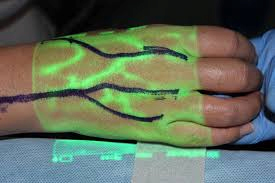
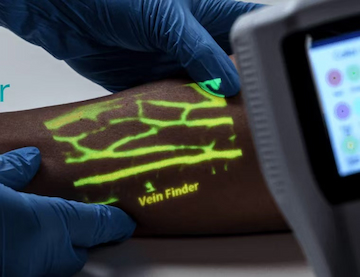
The following differences also need to be considered when making a choice: 1. Display mode Direct vision/projection: Project the vascular image directly onto the patient's skin. The advantage is that the operator does not need to shift their gaze and their hands and eyes are in perfect coordination. The drawback is that the projection may deform due to the curved surface of the skin. Screen displa...
Read More



 IPv6 network supported
 English
 español
 العربية


