I. Evaluation of Core Technology Performance
1. Imaging quality and clarity
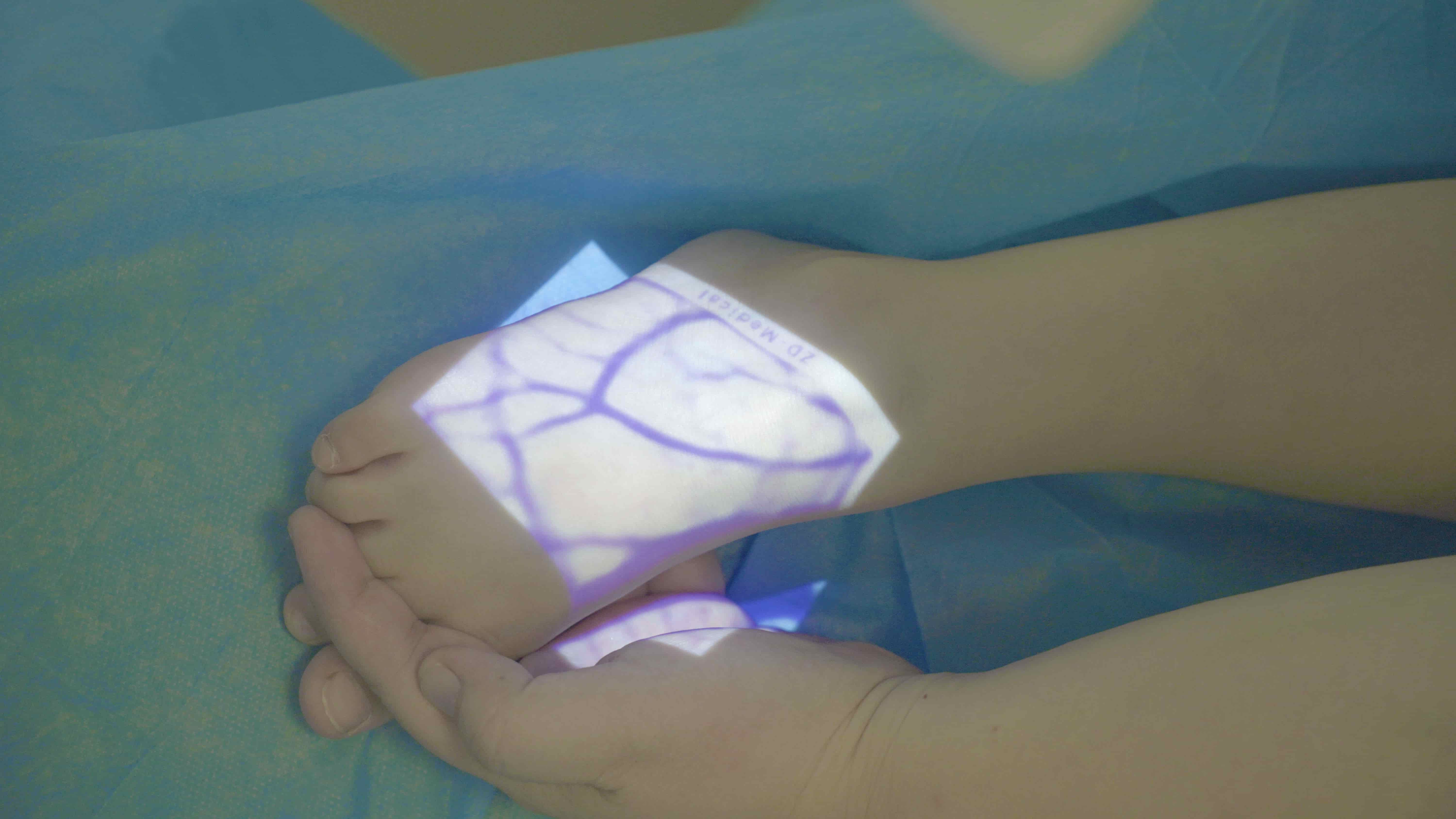
Resolution and contrast: Whether the vein images generated by the device are clear and can clearly distinguish the veins from the surrounding tissues (such as fat and skin pigments).
Penetration depth and adaptability: Whether the venous imaging effect is stable and reliable for patients of different body types (obese, thin), skin colors, ages (newborns to the elderly), and those with edema.
Anti-interference ability: Whether the imaging effect is affected under conditions such as strong ambient light, moist skin, tattoos or scars.
Real-time performance: Whether the imaging has no delay and can follow the movement of the probe or the pulsation of the blood vessel in real time.
2. Technical Principles and Safety
Imaging technology: Understand whether near-infrared light, ultrasound, or a combination of multispectral and other technologies are used. Different techniques have their own advantages and disadvantages (for example, infrared is good for superficial veins, while ultrasound is effective for deep veins).
Ii. Clinical Effectiveness Evaluation
This is the most crucial part and requires objective evidence to support it.
1.Review clinical literature and evidence-based evidence
Search for clinical research papers on this device (or similar technology) published in peer-reviewed journals.
Focus on key indicators
The success rate of the first puncture: After using the equipment, especially for difficult veins (such as pediatric, elderly, chemotherapy, and obese patients), the data on the improvement of the success rate of the first puncture.
Decreased number of puncture attempts: Whether the average number of punctures has significantly declined.
Shortened operation time: The total time required from locating the blood vessel to successful catheterization.
Has the incidence of patient complications decreased: Has the incidence of hematoma, permeation, phlebitis and needlestick injuries decreased?
Patient satisfaction: Whether the patient's self-reports of pain and anxiety have improved.
2. Obtain real-world feedback
Contact the purchased hospital: Inquire about the actual usage experience from the nursing staff and intravenous therapy specialist nurses in hospitals of the same level or higher (especially in key departments such as pediatrics, oncology, ICU, and emergency) that have already used this equipment.
On-site demonstration and trial use: It is required that the supplier conduct a demonstration in a real clinical environment of the hospital and have senior nurses from different departments of the hospital carry out blind tests (first conduct traditional touch/visual judgment without knowing the imaging results of the equipment, and then compare the images of the equipment) to evaluate whether the information provided by the equipment is indeed superior to the traditional method.
Observe the integration of the workflow: Whether the equipment can be easily integrated into the existing venipuncture process, and whether it will speed up the process or cause disruptions.
Iii. Evaluation of Operability and Practicality
1.Ergonomic design
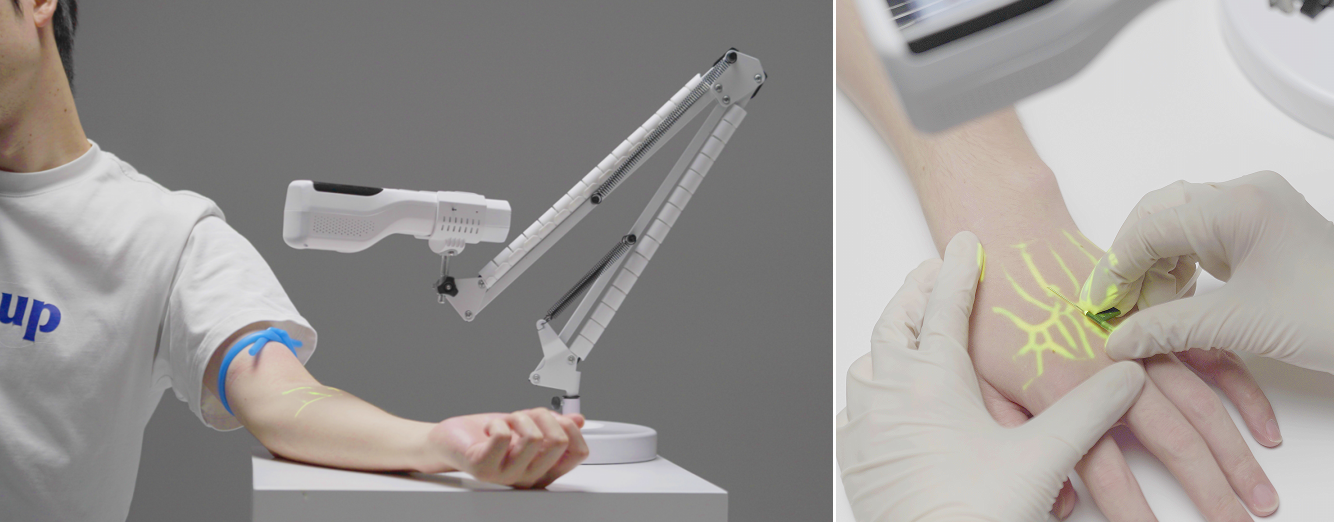
Device form: Is it
handheld, head-mounted or stand type? Whether it is lightweight, flexible and suitable for long-term operation.
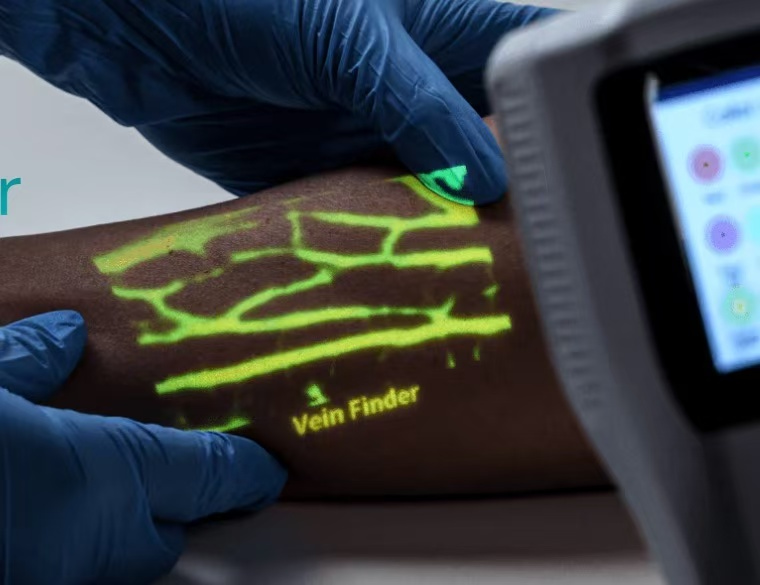
Display method: Is the image directly projected onto the skin or displayed on an independent screen? Whether the projection/display is clear and intuitive, without the need for the operator to frequently adjust the viewing Angle.
Disinfection and protection: Whether the probe or the parts in contact with the patient are easy to disinfect or equipped with disposable protective covers, and meet the requirements of infection control.
2. Usability and learning curve
Is the interface intuitive and is the parameter adjustment simple?
How long does it take for medical staff to be trained before they can be used independently and effectively? Does the supplier provide complete training and support?
 Iv. Economic and Operational Efficiency Assessment
1.Cost-benefit analysis
Iv. Economic and Operational Efficiency Assessment
1.Cost-benefit analysis
Direct costs: Equipment purchase price, consumables (if any), maintenance fees.
Indirect benefits/cost savings:
Reduce the waste of consumables (needles, dressings) caused by repeated punctures.
Reduce the additional processing costs caused by puncture failure or complications.
Enhance the efficiency of medical staff and save time for other nursing tasks.
The potential risk of medical disputes has been reduced.
2. Estimation of return on investment
Based on the proportion of patients with difficult venipuncture in our hospital and the annual puncture volume, estimate the comprehensive benefits that can be brought by improving the success rate and reducing the operation time, and calculate the approximate payback period of investment.
Also welcome to contact us, we are ZD Medical Inc.
Tel : +86-187 9586 9515
Email : sales@zd-med.com
Whatsapp/Mobile : +86-187 9586 9515


 IPv6 network supported
 English
 español
 العربية


