-
Understanding Optical Coherence Tomography Technology in One Article.
Sep 02 , 2025
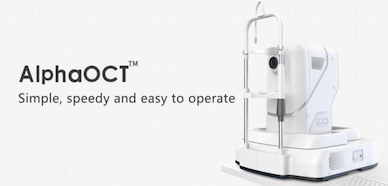
I. What is OCT? A Core Metaphor Let's understand OCT through a vivid analogy: Imagine a fresh sandwich. A regular camera can only capture its top view (a two-dimensional photo). OCT, however, acts like a precise “optical scalpel.” It can slice the sandwich layer by layer without damage, capturing ultra-high-resolution images of each component (bread, vegetables, meat slices). These cross-sectional...
Read More
-
What are the advantages of Eye Atomization Dry Eye Ophthalmic Nebulizer?
Sep 26 , 2025
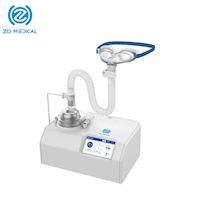
I. Core Technological advantages: More efficient therapeutic effects Ultrafine atomization for more efficient absorption: Advantages: It breaks down the liquid medicine or artificial tears into extremely fine mist-like particles (usually with diameters ranging from 1 to 5 micrometers), which are much smaller than those of traditional eye drops. This enables the drug to cover the entire ocular surf...
Read More
-
What are the four key points that Vein Finder must pay attention to?
Oct 31 , 2025
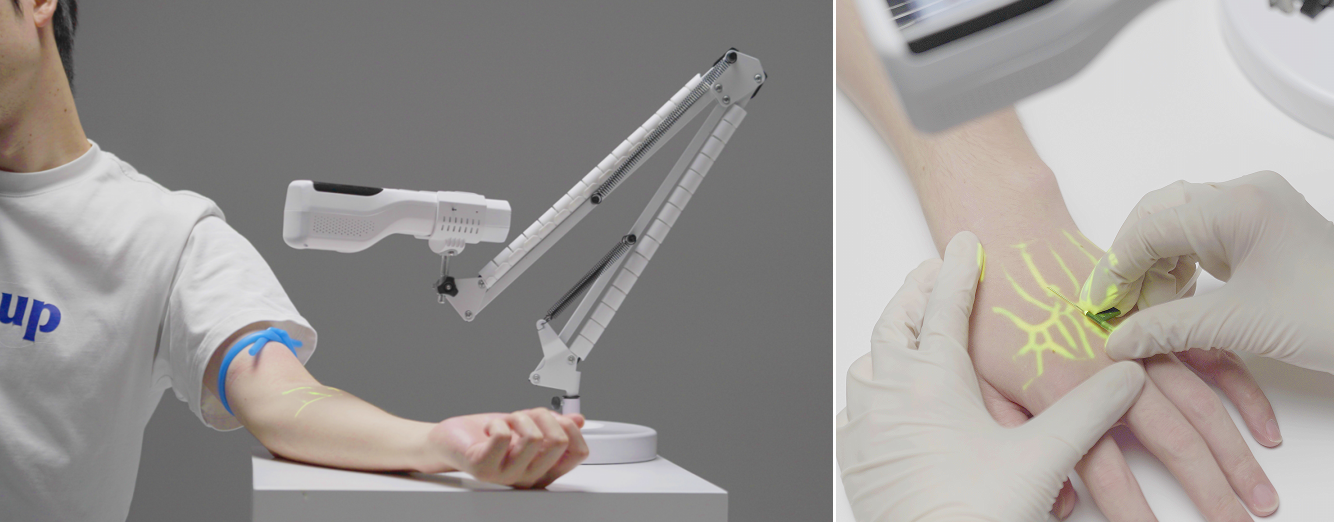
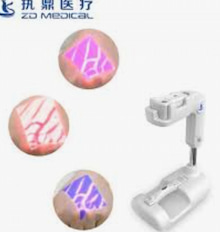
Key Point One: Imaging technology and clarity This is the core indicator, which directly determines the practical effect of the equipment. Core technologies: Currently, there are mainly two mainstream technologies, namely infrared imaging and ultrasonic imaging. Infrared light equipment is non-contact and forms images based on the differences in the absorption of near-infrared light by hemoglobin ...
Read More
-
How can vein finder complement the workflow of ophthalmic medicine and imaging equipment?
Nov 27 , 2025
1) Core Value: Provide a unique "surface vascular map" Ophthalmic imaging equipment (such as OCT) focuses on the microscopic vascular structure of the fundus (retina, choroid), while venous detectors are adept at non-invasively visualizing the vascular network on the ocular surface and around the eye, especially: The blood vessels of the sclera and conjunctiva The blood vessels of the skin around ...
Read More
-
Advancing Ocular Surface Care with the ZD Medical Integrated Dry Eye Solution
Jul 20 , 2026
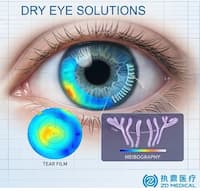
Dry Eye Disease (DED) has evolved from a minor inconvenience into a widespread, chronic condition affecting millions worldwide, driven heavily by increased screen time and environmental factors. For ophthalmic clinics and optometry practices, relying solely on artificial tears is no longer enough. Patients demand comprehensive, root-cause diagnostics and targeted therapies that provide long-lastin...
Read More



 IPv6 network supported
 English
 español
 العربية


